


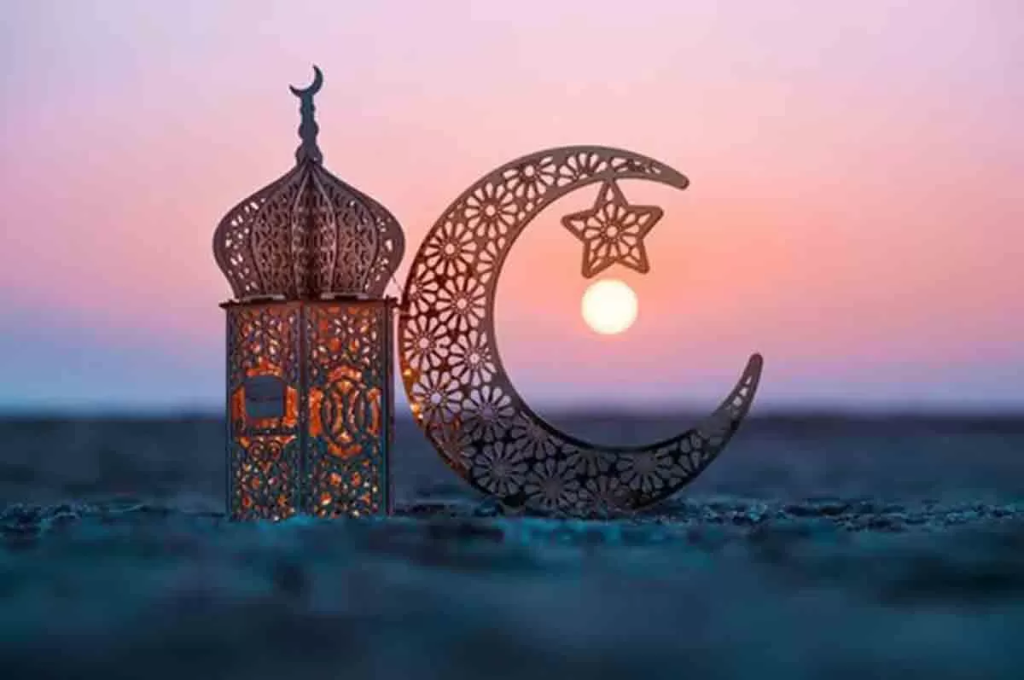
After a full month of fasting during Ramadan, Muslims around the world welcome a day of victory known as Eid al-Fitr. But did you know, Safarfriendly friends, that the meaning of Eid al-Fitr in Islam is much deeper than just celebrations, special foods, or gathering with family?
Eid al-Fitr is a very special spiritual moment. This day symbolizes a Muslim’s return to fitrah, or a state of purity, after undergoing a process of self-purification during Ramadan. Therefore, Eid al-Fitr is often referred to as a day of victory for those who have successfully maintained their faith, restrained their desires, and increased their worship.
This article will invite Safarfriendly friends to gain a deeper understanding of the meaning of Eid al-Fitr in Islam and how we can draw wisdom from this blessed day.
The Meaning of Eid al-Fitr in Language and Spirituality
Linguistically, the word Idul Fitri comes from two Arabic words, namely ‘Id, which means return or celebration, and Fitri, which comes from the word fitrah, meaning purity or the original state of humans.
Dear Safarfriendly friends, from this meaning we can understand that Idul Fitri is a day of returning to purity. After a full month of fasting, worship, and refraining from various things that invalidate fasting, Muslims are expected to return to a state of purity from sin, like a newborn baby.
However, of course, this purity does not come automatically. It is the result of spiritual struggle during the month of Ramadan: increasing worship, improving morals, and increasing concern for others.
Eid al-Fitr as the Day of Victory for Muslims
Dear Safarfriendly friends, we often hear the term “day of victory” when talking about Eid al-Fitr. But what kind of victory is meant?
The victory in Eid al-Fitr is not a worldly victory, but a victory over one’s desires. During the month of Ramadan, Muslims are trained to:
- Resist hunger and thirst
- Control their emotions
- Avoid sinful acts
- Increase acts of worship such as prayer, charity, and reading the Quran
If someone is able to do all of that with sincerity, then Eid al-Fitr becomes a symbol of success in undergoing that spiritual training.
That is why Eid al-Fitr is not just a holiday or celebration. It is a moment of reflection to see if we have truly changed into better people after Ramadan.
The Tradition of Gathering and Exchanging Giftsmaafkan
One of the things most closely associated with Eid al-Fitr is the tradition of mutual forgiveness. Safarfriendly friends will often hear a very popular phrase during Eid, which is “mohon maaf lahir dan batin” (please forgive me in body and soul).
This tradition actually has a very deep meaning in Islam. In addition to asking for forgiveness from Allah, Muslims are also encouraged to improve their relationships with other people.
Silaturahmi is a way to strengthen brotherhood, repair relationships that may have been strained, and remove resentment from the heart. By forgiving one another, the heart becomes lighter and life becomes more peaceful.
Therefore, Eid al-Fitr is not only about our relationship with God, but also about our relationships with other people.
Zakat Fitrah as a Form of Social Care
Dear Safarfriendly friends, the meaning of Eid al-Fitr cannot be separated from the obligation of zakat al-fitr. This zakat must be paid before the Eid al-Fitr prayer.
The purpose of zakat al-fitr is to cleanse any shortcomings that may have occurred during the fasting month and to help our brothers and sisters in need so that they too can feel the joy of the holiday.
Through zakat al-fitr, Islam teaches that the joy of Eid al-Fitr should be felt by everyone. Not only by those who are able, but also by those who are less fortunate.
It is this value of social care that makes Eid al-Fitr a celebration full of meaning.
Maintaining the Spirit of Ramadan After Eid al-Fitr
Dear Safarfriendly friends, one of the biggest challenges after Eid al-Fitr is maintaining the spirit of worship that we have built during the month of Ramadan.
Ramadan often makes us more diligent in praying, reading the Qur’an more often, and giving alms more easily. Unfortunately, these good habits sometimes begin to diminish after the holy month ends.
Yet, the essence of Ramadan is to cultivate a more devout character in our daily lives. Therefore, Eid al-Fitr should mark the beginning of a better spiritual journey, not the end of our devotion.
Dear Safarfriendly friends, the meaning of Eid al-Fitr in Islam is actually very deep and full of wisdom. It is not just about delicious food, new clothes, or the tradition of returning home. More than that, Eid al-Fitr is a moment to return to our natural state, improve our relationship with Allah, and strengthen our relationships with fellow human beings.
May we, after going through Ramadan, truly become more patient, more caring, and closer to Allah. In this way, Eid al-Fitr will truly be a day of victory for all of us.
Happy Eid al-Fitr, Safarfriendly friends. May we all be among those who return in a state of purity and full of blessings.


